
GALLBLADDER HEALTH • WEIGHT MANAGEMENT
Rapid weight loss and gallstones are connected in a way many people do not expect. Seeing the number on the scale fall quickly may feel encouraging, but very fast weight loss can increase the chance of gallstones developing. Understanding this risk helps you recognise symptoms and discuss a safer weight-management plan with your doctor.
Why can rapid weight loss increase gallstone risk?
During rapid weight loss, the liver can release extra cholesterol into bile. At the same time, the gallbladder may not empty effectively. These changes make it easier for cholesterol crystals to develop into stones.

Crash diets, fasting and bariatric surgery
Very low-calorie diets and long periods without food can increase risk. Rapid weight loss following bariatric surgery is another recognised setting. Previous gallstones and repeated weight loss followed by regain may also matter.
Exercise itself is not the cause. Regular activity supports health. The concern is rapid weight reduction and restrictive eating, rather than a workout alone. Ask your treating team about prevention if you are starting a medically supervised weight-loss programme.
How fast is too fast?
There is no single weight-loss speed that is right for every person. Starting weight, medical conditions and the type of treatment all influence the plan. Ask your doctor for a target that fits your situation, particularly after surgery. Do not use another person’s results or a social-media challenge as your medical target.
What are gallstones?
Gallstones are hardened deposits that form in the gallbladder, a small organ beneath the liver. Some remain unnoticed and are discovered during a scan for another reason. Problems can develop when a stone obstructs the passage of bile.
The liver produces bile, while the gallbladder stores and concentrates it before releasing it into the small intestine during digestion. Bile helps the body handle dietary fat. Gallstones are not pieces of body fat that travel directly into the gallbladder; they form from substances already present in bile.
Cholesterol stones are especially relevant to rapid weight loss. Other stones contain bile pigments. Knowing that several types exist helps explain why the same treatment or prevention advice does not apply to every patient.
For a broader explanation, read our guide to the causes of gallbladder stones.
Symptoms you should not ignore
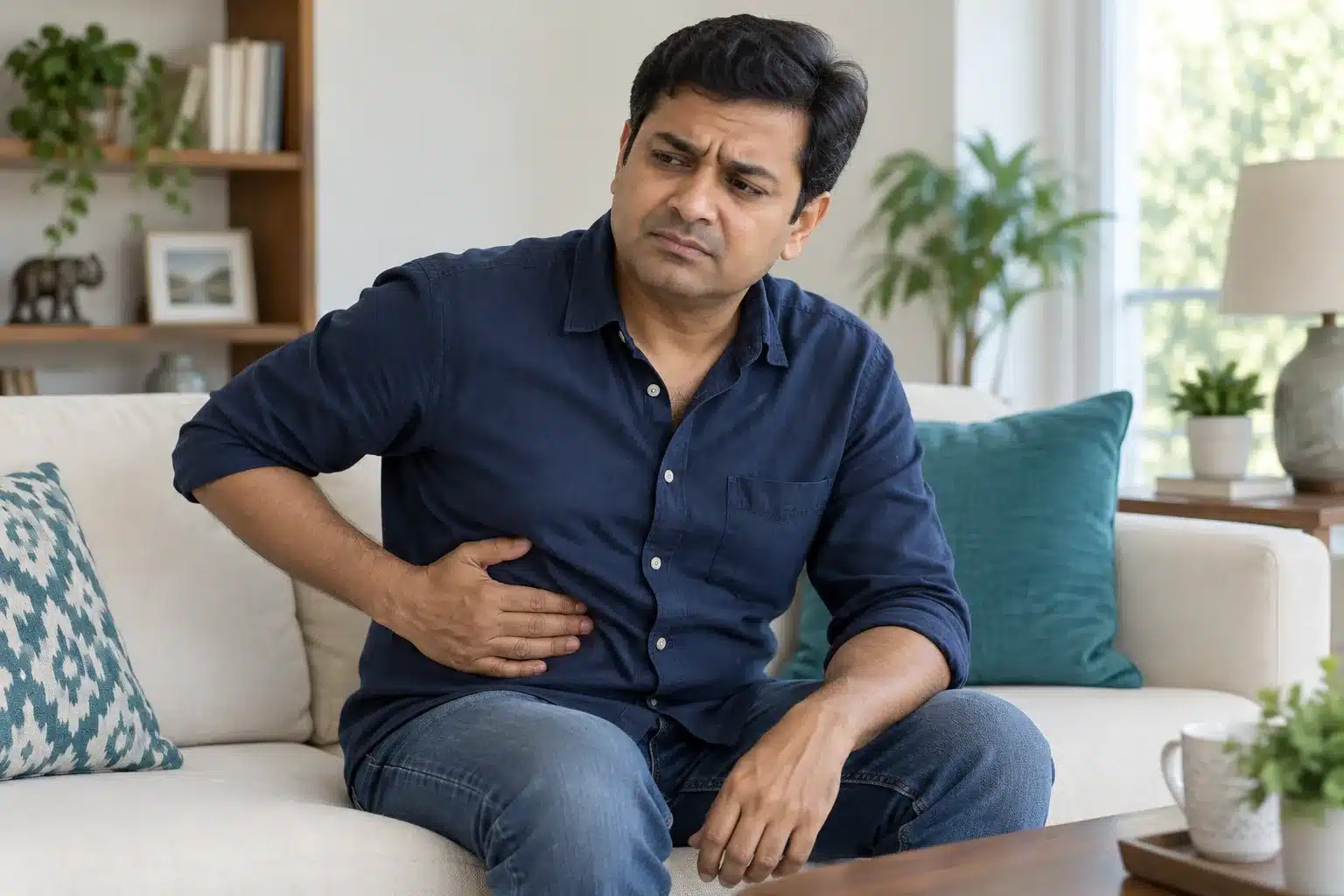
Gallstone pain may occur in the upper right abdomen or upper middle abdomen. It may last more than 30 minutes and continue for several hours. Nausea or vomiting may accompany it.
Some attacks follow a heavy meal. Even if the pain settles, arrange an assessment because symptoms can recur. Do not assume every episode is acidity or a normal consequence of dieting.
When to seek urgent medical care
Seek prompt care for ongoing abdominal pain. Go to an emergency department for sudden severe pain, pain spreading to the back with vomiting, fever or chills, or yellowing of the eyes or skin. Dark urine or unusually pale stools are additional warning signs. Do not wait for a routine appointment when symptoms are severe.
A persistent obstruction can cause inflammation or infection involving the gallbladder, bile ducts or pancreas. Several other conditions can produce similar symptoms, so diagnosis requires more than matching a symptom list. Read NIDDK guidance on symptoms and complications.
Watch Dr. Kiran KJ’s Instagram reel
Watch the accompanying reel about rapid weight loss and gallstone risk.
What if the weight loss was not intentional?
Losing weight while deliberately following a treatment plan is different from losing weight without trying. If your weight keeps falling despite no deliberate change in diet or activity, book a medical assessment. Do not assume gallstones explain it.
Unintentional weight loss has many possible causes, including digestive conditions, an overactive thyroid, diabetes, mental health conditions and other illnesses. The pattern, associated symptoms and examination determine which investigations are appropriate. Medical reference: NHS — Unintentional weight loss.
At the appointment, explain when the change began and whether you have also noticed reduced appetite, difficulty eating, altered bowel habits or other new symptoms. If you have old weight records, bring them. A clear timeline is more useful than trying to identify the cause from an online symptom checklist.
How are gallstones diagnosed?
Your doctor will ask about the location and duration of pain, your eating pattern, recent weight changes and medical history, then examine your abdomen. Mention any bariatric procedure and bring previous scan reports if available.
- Abdominal ultrasound: the main imaging test used to identify gallbladder stones.
- Blood tests: may help identify signs of infection, inflammation or problems involving the liver and pancreas.
- Additional imaging: an MRI-based assessment or other test may be needed if a bile duct stone or complication is suspected.
Not everyone needs every test. ERCP is an invasive procedure used selectively, usually to treat a stone lodged in the common bile duct. Read more about gallstone diagnosis and tests. Medical reference: NIDDK — Diagnosis.
Make your consultation more useful
Before the visit, write down what has happened in your own words. You do not need medical terminology. The following details can help you explain the problem clearly:
- Weight history: your approximate starting weight, current weight and the dates between them.
- Eating changes: skipped meals, fasting, meal replacements, a new diet or difficulty tolerating food.
- Pain pattern: where it starts, how long it lasts and whether there is a relationship to meals.
- Associated symptoms: vomiting, fever, changes in urine or stool colour, or yellowing of the eyes.
- Treatment history: medicines, supplements, previous gallstones and the date and type of any bariatric operation.
If you already have an ultrasound report, bring the complete report rather than only a photograph of one image. Ask the doctor to explain whether the findings fit your symptoms, whether further tests are needed and what to do if another episode occurs.
Support healthier weight management
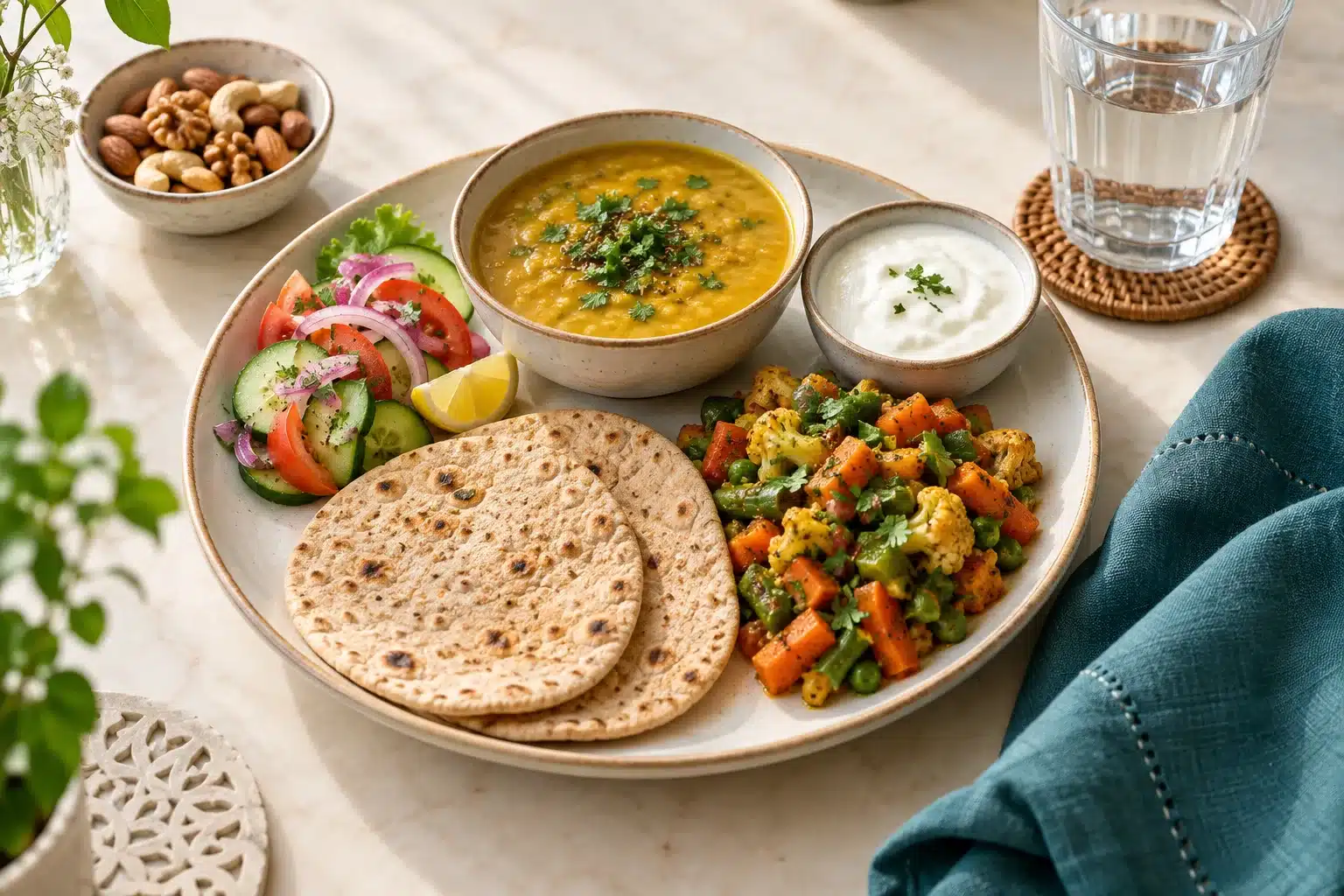
Build an eating pattern you can maintain. Fibre-rich foods, fewer refined carbohydrates and less added sugar are useful foundations. Choose appropriate amounts of healthy fats instead of relying heavily on fried foods.
For an Indian vegetarian diet, options include vegetables, fruit, whole grains and pulses. A dietitian can help fit these foods into your preferences, calorie needs and any medical restrictions.
After bariatric surgery, follow the prescribed food stages and portion guidance; a regular meal illustration is not a postoperative diet plan.
Practical food choices without extreme restriction
There is no universal list of foods that triggers symptoms in everyone with gallstones. If you notice a pattern, keep a short food-and-symptom diary and discuss it with a dietitian. Smaller meals may be easier to tolerate when large meals cause discomfort. Avoid unnecessarily excluding whole food groups.
A completely fat-free diet is not a routine requirement. Some people benefit from reducing fat intake when it triggers symptoms, but the plan must still meet nutritional needs. Dietary adjustments may help manage symptoms; they do not remove existing stones. Medical reference: Cambridge University Hospitals — Dietary advice for gallstones.
Bring examples of a usual workday and weekend diet. Mention restaurant meals, snacks, cooking methods and any foods you avoid for personal or religious reasons. This makes the discussion practical. A plan built around familiar meals is easier to understand and follow than a generic list of permitted and forbidden foods.
What if gallstones develop after weight loss?
Stones without symptoms often do not require treatment. Repeated attacks or complications may lead your doctor to recommend gallbladder removal, called cholecystectomy, commonly performed laparoscopically. Treatment depends on symptoms, scan findings and overall health.
A stone in the common bile duct may require ERCP. Medicines that dissolve selected cholesterol stones have limited uses and are not suitable for everyone. For some patients undergoing rapid weight loss, a clinician may prescribe ursodiol to reduce stone formation; do not start it yourself.
Explore our guide to whether gallbladder stones always require surgery. Medical reference: NIDDK — Treatment.
Understanding gallbladder surgery
Gallbladder removal is usually performed under general anaesthesia. In a laparoscopic procedure, the surgeon works through small cuts using a camera and surgical instruments. In some situations, an open operation with a larger incision is needed. The appropriate approach depends on the findings and the patient’s condition.
Ask your surgeon why an operation is recommended in your case, whether there are stones in the bile duct, and how the proposed treatment addresses your symptoms. It is also reasonable to ask about anaesthesia, possible complications and the expected recovery. Medical reference: NHS — How gallbladder removal is performed.
What does recovery involve?
Recovery depends on the operation and your overall health. Many people having keyhole surgery go home the same day; an open operation usually involves a longer hospital stay and recovery. Follow the discharge advice for wound care, activity, medicines and follow-up.
A healthy diet is generally possible after gallbladder removal. Smaller meals may be helpful initially. Return to work depends partly on the demands of your job, so ask specifically about lifting, travel and driving. Avoid comparing your recovery timetable with another person’s experience. Medical reference: NHS — Recovery after gallbladder removal.
Before discharge, make sure you know who to contact if recovery is not progressing as expected. Keep the hospital’s written instructions available, and ask a family member to help remember the advice if needed.
Questions to discuss after bariatric surgery
Use follow-up visits to ask: Is my weight change following the expected course? Do my symptoms need an ultrasound? Is preventive medication appropriate? What should I do if pain develops between appointments?
Learn about bariatric surgery in Bangalore and discuss your individual follow-up needs with your surgical team.
Keep gallstone risk in perspective
Bariatric surgery can offer important benefits for appropriately selected patients, including improvement in obesity-related conditions such as type 2 diabetes, high blood pressure and sleep apnoea. Gallstone risk is one part of a wider discussion about the benefits, risks and long-term commitments of treatment.
The decision should be made with the surgical team, based on your health rather than fear of one possible complication. Ask how the team will monitor you and support your nutrition after the operation. Medical reference: NIDDK — Benefits of weight-loss surgery.
Why postoperative follow-up matters
Gallstones are not the only possible explanation for symptoms after weight-loss surgery. Nutrient deficiencies and other postoperative problems also need attention. Persistent vomiting, difficulty swallowing or difficulty tolerating food should be discussed with the treating team rather than attributed automatically to gallstones.
Take prescribed vitamins and minerals as directed. Some clinicians prescribe a medicine for a period after bariatric surgery to reduce gallstone formation; whether it is appropriate and how long to take it are individual decisions. Medical reference: NIDDK — Side effects and follow-up considerations.
Before leaving a follow-up visit, clarify:
- What should I continue doing over the next few weeks?
- Are there any changes to my meals, supplements or medicines?
- What symptoms should prompt an immediate call?
- When is the next review, and which reports should I bring?
Frequently asked questions
Does everyone who loses weight quickly get gallstones?
No. Rapid weight loss increases risk, but it does not mean stones will definitely form.
Can gallstones be present without pain?
Yes. Silent gallstones may be found incidentally on a scan. Your doctor can explain whether observation is appropriate.
Can I diagnose gallstones from nausea alone?
No. Nausea has many possible causes. Symptoms, examination and appropriate tests must be considered together.
Should I stop my prescribed weight-loss programme?
Discuss concerns with your treating team before changing it. Tell them about new symptoms and attend the recommended follow-up appointments.
Does a scan showing stones automatically mean an operation?
No. The presence of stones is only one part of the assessment. Ask how the scan findings relate to your symptoms and whether observation or treatment is appropriate. Stones in the bile duct require a different discussion from stones confined to the gallbladder.
Should I get an ultrasound simply because I am losing weight?
Discuss this with your doctor rather than arranging repeated scans on your own. Explain your symptoms, previous gallstone history and treatment plan so the clinician can decide whether imaging would help.
Can I follow the same diet as a friend who had bariatric surgery?
Do not substitute someone else’s diet for your own instructions. Your procedure, stage of recovery and medical needs may differ. Bring any suggested diet to your treating team before making changes.
What should I ask if preventive medicine is prescribed?
Ask what it is intended to prevent, how to take it, how long it is needed and what to do if you miss a dose or notice side effects. Keep an up-to-date medicine list and show it at follow-up appointments.
What if pain stops before my appointment?
Still explain the episode to your doctor. Record its duration and any associated symptoms while you remember them clearly. If severe pain or urgent warning signs recur, seek care rather than waiting for the scheduled visit.
Your next step: focus on the whole picture
When discussing rapid weight loss and gallstones, consider three things together: how the weight changed, whether symptoms have developed, and what your existing treatment plan involves. This gives your doctor a clearer starting point than the number on the scale alone.
If you are planning weight loss, ask for guidance before beginning a highly restrictive approach. If you are already under medical supervision, use your follow-up visits to raise concerns. If you have new abdominal symptoms, make sure they are assessed instead of assuming they are an expected part of the process.
Discuss your symptoms with Dr. Kiran KJ
If you have abdominal discomfort after recent weight loss, bring your weight history, medication list and any scan reports to your consultation. These details help guide the next steps.
This article provides general patient education and does not replace an individual consultation. Images are AI-generated illustrations, not photographs of actual patients.